Rush Green flat removals access advice for Romford
Moving out of a flat in Rush Green can look simple on paper, then suddenly feel a bit fiddly in real life. Narrow entrances, shared stairwells, parking that disappears just when you need it, and a lift that seems to have a mind of its own - all of that can slow a move down. That is exactly why Rush Green flat removals access advice for Romford matters. Good access planning helps you avoid delays, reduce lifting, protect walls and furniture, and keep the day calm enough to breathe through it. In our experience, the moves that go smoothly are rarely the most glamorous; they are the ones where the access details were handled early.
This guide walks you through what access planning really means, how to prepare for a flat move in Rush Green, and what to think about if you are moving within Romford or heading further afield. You will also find a practical checklist, common mistakes, comparison guidance, and a proper FAQ section at the end.
- Why Rush Green flat removals access advice for Romford Matters
- How Rush Green flat removals access advice for Romford Works
- Key Benefits and Practical Advantages
- Who This Is For and When It Makes Sense
- Step-by-Step Guidance
- Expert Tips for Better Results
- Common Mistakes to Avoid
- Tools, Resources and Recommendations
- Law, Compliance, Standards, or Best Practice
- Options, Methods, or Comparison Table
- Case Study or Real-World Example
- Practical Checklist
- Conclusion
- Frequently Asked Questions
Why Rush Green flat removals access advice for Romford Matters
Access is one of those things people only notice when it goes wrong. A sofa that will not clear a landing. A van that cannot stop close enough to the entrance. A flight of stairs that looks manageable until you are halfway down with a wardrobe. If your flat move in Rush Green involves any shared entrance, tight estate parking, or a busy Romford road nearby, access planning becomes more than a nice extra - it is part of the move itself.
The reason this matters so much is simple. Flat removals are usually time-sensitive, and access issues can compound quickly. Ten extra minutes here, a blocked corridor there, a last-minute move of bins or bikes, and suddenly the schedule starts to drift. That drift can affect lift bookings, parking windows, neighbours, and your own energy. Nobody enjoys standing in a hallway with a mattress while trying to remember who booked the bay. It happens more than you might think.
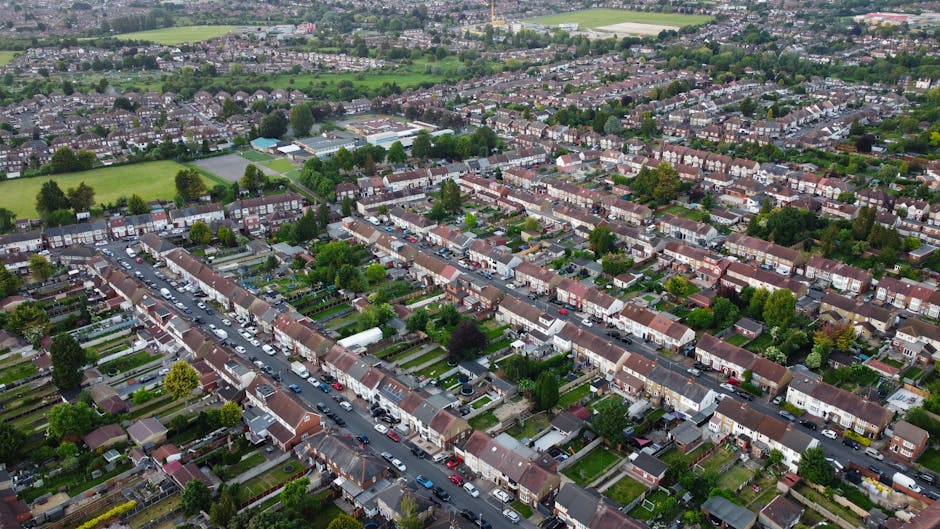
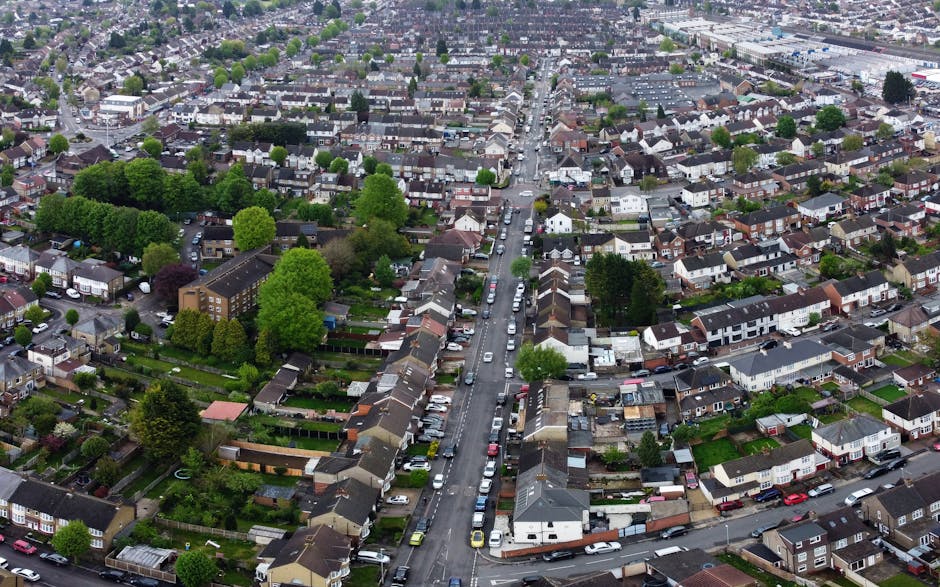
Rush Green has a mix of residential layouts, from quieter side streets to larger blocks and newer developments. That means one move may be straightforward, while the next needs careful coordination around access routes, entry codes, and loading points. Romford traffic patterns can also influence timing. If your collection or delivery needs to fit around school runs, commuter flow, or weekend shopping traffic, a little planning goes a long way.
Expert takeaway: the best access advice is not about brute force. It is about reducing friction before moving day even begins. That usually saves more time, stress, and damage than any last-minute rush ever could.
How Rush Green flat removals access advice for Romford Works
Access advice for a flat move is really a process of mapping out the route from the property to the vehicle and back again. You are trying to answer a few basic but important questions: How will items leave the flat? Where will the van stop? Are there stairs, lifts, or tight turns? Can larger items be removed without dismantling them? Will anyone need permits, keys, fobs, or booking codes?
In a Rush Green flat move, the process usually starts with a quick review of the property layout. That includes the entrance, communal hallways, stair width, lift size, parking arrangements, and any obstacles that could slow loading. If there is a shared driveway or limited street space, the removals team may need to decide whether a smaller vehicle, a timed arrival, or a two-person carry makes more sense. A sensible mover will ask these questions early, not after the lorry is already circling the block.
It also helps to separate access from packing. Access is the physical and logistical path. Packing is how the items are prepared for that path. Good packing makes access easier, because items are safer to carry, stack, and pass through narrow areas. This is where services such as packing and unpacking services can make a real difference if you are short on time or simply want fewer things to manage on the day.
For some households, access planning is as simple as confirming a parking space and checking whether the sofa fits through the stairwell. For others, it involves building management, lift protection, long carries, and careful timing. Truth be told, flat moves in Romford can be a bit of both.
Key Benefits and Practical Advantages
When access is planned properly, the whole move tends to feel lighter. Not magically easy - let's not get carried away - but definitely more controlled. Here are the main advantages.
- Faster loading and unloading: fewer pauses mean less time spent hauling items back and forth.
- Lower risk of damage: a clear route reduces knocks on walls, chipped paint, and scuffed furniture.
- Better safety: awkward lifting on stairs or in cramped hallways becomes less likely.
- Less stress on the day: when everyone knows where to park and which entrance to use, there is less back-and-forth.
- More accurate quotes: removals teams can estimate labour and vehicle needs more realistically when access details are clear.
- Less disruption to neighbours: shorter loading times and fewer blocked pathways are simply kinder to the building.
There is also a quieter benefit that people sometimes miss: confidence. Once you know the access route is workable, the move stops feeling like a guess. That matters more than it sounds, especially if you are juggling handover times, children, or work the next day.
For people comparing different service types, access planning also helps you decide between a larger team, a smaller van, or a more flexible option like a man and van removals setup. Not every flat move needs a full-size removal truck, and not every truck is the smart choice for a tight estate road.
Who This Is For and When It Makes Sense
This kind of advice is useful for more people than you might expect. Flat removals in Rush Green are not only for large households or complicated relocations. They matter whenever access is not completely open, obvious, and easy.
You will especially benefit if you are:
- moving from a first-floor or upper-floor flat;
- living in a block with shared corridors or controlled entry;
- parking on a narrow residential street in Romford;
- moving bulky items such as wardrobes, beds, or white goods;
- working to a tight completion, tenancy, or handover deadline;
- moving with children and need the day to stay as smooth as possible;
- uncertain whether a larger vehicle can access the property safely;
- trying to avoid extra carrying distance from the road to the front door.
It also makes sense if you are weighing up a more traditional removals service against a lighter option. A flat move with two bedrooms and limited street access may need a different setup from a small studio. And if you are comparing broader moving help, a general removal services page can be a useful starting point for understanding what level of support you actually need.
To be fair, some people only realise access matters on moving day itself. That is usually when the first awkward corner appears. Better to work it out while the kettle is still on.
Step-by-Step Guidance
Here is a practical way to plan Rush Green flat access without overcomplicating it. You do not need a clipboard and a hard hat. Just a sensible sequence and a few honest measurements.
- Check the route from flat to vehicle. Walk the full path. Notice door widths, stair turns, lift size, low ceilings, railings, and any sharp corners.
- Measure the awkward items. Sofas, wardrobes, mattresses, desks, and fridges are the usual troublemakers. Measure the tallest, widest, and deepest points.
- Confirm parking and stopping options. Can a van stop nearby without blocking access or risking a ticket? If not, how far is the carry?
- Ask about building rules. Some flats have restrictions on move times, lift use, door protection, or loading bay bookings.
- Decide what should be dismantled. Flat-pack furniture often moves better if partially taken apart. Beds and large wardrobes are common examples.
- Pack for the route, not just the destination. Use strong boxes, seal liquids properly, and avoid overfilling heavier cartons. A box that is tidy but too heavy is still a problem.
- Book the right vehicle and crew size. Tight access usually needs smarter planning, not just more muscle.
- Leave a clear path inside the flat. Hallways, entry points, and room corners need to stay open on the day.
- Keep essentials separate. Important documents, keys, chargers, medication, and one night's basics should travel with you.
If you are using a removal company or a moving-van service, give them the access details before they quote, not after. A good brief sounds plain but specific: floor number, lift yes/no, parking distance, any codes or passes, and whether there is a long carry. Those few details shape the whole plan.
One small but useful habit: take photos of the entrance, parking area, stairs, and any tight turns. It takes two minutes and can save a lot of guessing later. Handy, really.
Expert Tips for Better Results
Once the basics are covered, the next gains usually come from small, practical tweaks. None of these are dramatic. They just make the day run cleaner.
- Use furniture covers and blankets early. Do not wait until the item is already halfway through the doorway.
- Label boxes by room and priority. That helps unloading at the new flat and avoids piles in the wrong place.
- Keep a "first open" box. Kettle, mugs, toilet roll, snacks, phone chargers, and a few tools. Tiny thing, huge relief.
- Protect communal areas where needed. A bit of floor protection or extra wrapping can prevent accidental scuffs in shared spaces.
- Think in terms of carry distance. A short van parking wait can be better than a legal parking spot that adds a long haul from the road.
- Choose the quietest feasible time window. Early starts often work better for access and traffic, though every street has its own rhythm.
One overlooked tip is to speak to neighbours if the move is likely to be noisy or involve repeated trips through a shared hallway. You do not need to send a formal notice for everything, but a friendly heads-up can defuse irritation before it starts. A quick smile in the corridor goes a long way. Strange but true.
If you are arranging a larger household move rather than a single flat clearance, it may also help to look at home moves for a broader sense of what a full relocation can involve. Even if your move is smaller, the planning logic is similar.
Common Mistakes to Avoid
The most common access mistakes are usually not dramatic. They are the little assumptions that seem harmless until they cost time.
- Assuming a van can park anywhere. A space that looks free may not be practical, legal, or large enough.
- Forgetting about internal obstacles. A wide front door does not help much if the hallway bends sharply just inside.
- Not measuring bulky furniture properly. "It should fit" is not a measurement.
- Ignoring lift restrictions. Some lifts are small, slow, or unsuitable for certain items.
- Leaving packing until the last minute. Poor packing makes access harder and increases breakage risk.
- Failing to tell the removals team about restrictions. If you only mention them on arrival, everyone gets annoyed, including you.
- Booking the wrong size of service. Too small can mean multiple trips; too large can create access trouble of its own.
Another one people miss: forgetting the route out of the building can be easier than the route in. A sofa that just fits on the way in may not come out the same way if the move angle changes. That lovely little corner in the stairwell suddenly feels much less charming.
The best prevention is honest disclosure. If there is a long carry, a tight corner, a second-floor walk-up, or a parking constraint, say so early. It is never a bad look. It is just good planning.
Tools, Resources and Recommendations
You do not need specialist gear for every flat move, but a few simple tools can make a big difference. Think in terms of reducing strain, protecting surfaces, and keeping things organised.
- Measuring tape: essential for doors, halls, sofas, beds, and appliance clearances.
- Furniture sliders and lifting straps: helpful for awkward items, especially where floors need protection.
- Blankets and wraps: useful for mirrors, headboards, tables, and anything easily marked.
- Strong boxes and tape: basic, but the difference between a tidy move and a messy one can come down to box quality.
- Marker pens and labels: simple room labelling saves a surprising amount of confusion later.
- Phone camera: take photos of access points, parking signs, and any loading restrictions.
For some moves, a smaller and more nimble vehicle is the better fit. If that sounds like your situation, options such as man with van or removal van services may suit a flat with tighter access better than a larger truck. On the other hand, if you have multiple rooms and more volume, a fuller removals service could be the calmer choice.
If you are unsure, ask for help with a quote based on the actual access conditions rather than just bedroom count. A one-bedroom flat with awkward stairs can be a bigger logistical job than a neat two-bedroom with lift access. That surprises people all the time.
Law, Compliance, Standards, or Best Practice
For flat removals, the main compliance concerns usually sit around safe working, parking, building access rules, and sensible handling of other people's property. The exact requirements will vary depending on the building, local conditions, and the service provider's working practices, so it is always better to confirm details rather than assume them.
In practical terms, best practice usually includes:
- planning a safe route for carrying furniture and boxes;
- avoiding blocked exits or unsafe lifting conditions;
- respecting communal areas and building rules;
- using appropriate protection for floors, walls, and corners where needed;
- checking parking arrangements before the move starts;
- making sure any items that need dismantling are handled properly.
Insurance is worth thinking about as well. If you are comparing movers, ask what cover is included and how damage or loss is handled. A professional service should be able to explain this in plain English without making you feel like you need a law degree and a torch. If safety and insurance are a priority, reviewing a provider's insurance and safety information can give you a clearer picture of how they work.
You may also want to understand how a company approaches general safety and operational standards. A responsible mover should be able to explain how they handle lifting, access checks, and customer property without sounding vague. That sort of transparency matters. Quietly, a lot.
Options, Methods, or Comparison Table
Not every flat move needs the same setup. Here is a straightforward comparison to help you think through the likely fit for your access situation.
| Method | Best for | Access strengths | Possible drawbacks |
|---|---|---|---|
| Man and van | Small flat moves, tight streets, short distances | Flexible, nimble, easier for tricky access | May require multiple trips for larger moves |
| Removal van | Medium-size flat moves with moderate volume | Good balance of capacity and practicality | May be harder to position on very narrow roads |
| Full removals team | Larger flats, more furniture, heavier lifting | More labour, better for stairs and complex routes | Can be more than you need for a compact move |
| Packing plus removals | Busy households, fragile items, time-poor movers | Less pressure on the day, better organisation | Needs earlier planning and more coordination |
If your building access is awkward, the smartest option is not always the biggest one. A well-scheduled smaller team can often outperform a larger setup that cannot park properly or cannot turn into the street easily. Simple, but important.
Case Study or Real-World Example
Here is a realistic scenario from the sort of flat move people in Rush Green often face. A tenant is moving from a second-floor flat in a block with a shared entrance and limited street parking. The stairwell has one tight turn, the lift is small, and there is a sofa, bed frame, fridge freezer, and several boxes of books. Not a disaster - just a move that needs thinking through.
Before moving day, the tenant measures the sofa and bed frame, checks the lift dimensions, and confirms whether the building has any time restrictions for loading. They also find out that the nearest legal stopping point is not directly outside the entrance, so the carry will be longer than expected. That one detail changes the plan quite a bit.
Instead of trying to force everything into one rushed trip, the move is organised around the awkward items first. The bed is dismantled, the fridge is protected properly, and heavier boxes are redistributed so nobody ends up carrying a carton full of books like it is a punishment exercise. The team arrives with the right vehicle size, parks safely, and the move is finished without scuffed walls or a panicked scramble for keys.
The interesting part is this: the move did not become easier because the flat was suddenly more spacious. It became easier because the access limitations were understood early. That is the whole point.
Practical Checklist
Use this checklist a few days before the move, then again the night before if needed. It is boring in the best possible way.
- Measure doors, hallways, stairs, and the largest furniture pieces.
- Check whether there is lift access and whether it is suitable for bulky items.
- Confirm parking, loading, and any time restrictions.
- Speak to the building manager or landlord if access codes or permissions are needed.
- Disassemble beds, shelves, or wardrobes where it will help the route.
- Protect fragile items with proper wrapping.
- Label every box with its room and priority.
- Keep the access route clear inside the flat.
- Prepare essentials for the first night separately.
- Share any access quirks with the removals team in advance.
Quick summary: if you know the route, control the parking, and pack for the space you actually have, most flat moves become far more manageable. The rest is usually just timing and a bit of patience.
Get a free quote today and see how much you can save.
Conclusion
Rush Green flat removals access advice for Romford is really about making a move feel possible, not chaotic. Once you think about stairs, parking, lift size, turning space, and building rules as part of the job, the move starts to make sense. That is where stress drops and control comes back.
Whether you are moving a compact studio or a full flat with awkward furniture, the same principle applies: good access planning saves time, protects your belongings, and helps everyone involved work more calmly. It is not flashy. It is just smart.
If you take one thing from this guide, let it be this: measure first, confirm access early, and tell people the awkward bits before moving day. The rest tends to fall into place more neatly than you would expect. And honestly, that little bit of order can feel like a breath of fresh air.
Frequently Asked Questions
What should I check first before a flat removal in Rush Green?
Start with the route from the flat to the van. Check doors, hallways, stairs, lift access, and parking. If those basics are clear, everything else becomes much easier to plan.
How do I know if a van can access my building?
Look at street width, parking restrictions, turning room, and any bollards or gates near the entrance. A quick photo of the road outside the property is often enough for a removals team to judge whether access is workable.
Do I need to measure all my furniture?
Not every item, but definitely the bulky ones. Sofas, beds, wardrobes, fridges, and desks are the usual troublemakers. If something is awkwardly shaped, measure it properly.
What if my flat is on an upper floor with no lift?
Then access planning becomes even more important. You may need a smaller crew, stronger packing, more dismantling, and a clear route for carrying items safely down the stairs.
Is it worth using packing services for a flat move?
Yes, if you are short on time or have fragile items. Packing services can also make access easier because boxes are more uniform, secure, and quicker to move through tight spaces.
How far in advance should I mention access issues?
As early as possible, ideally when requesting a quote. The more the mover knows upfront, the more accurate the plan and pricing are likely to be.
Can a man and van service handle flat removals well?
Often, yes. For smaller flat moves or properties with awkward access, a flexible setup can be a smart choice. The key is matching the vehicle and labour to the actual job.
What are the biggest access risks on moving day?
The biggest risks are parking problems, narrow stairwells, long carry distances, and last-minute surprises about lift use or building rules. Those are the bits that usually slow things down.
Should I tell neighbours or building management about the move?
If the building is shared or busy, it is usually a good idea. A simple heads-up can help avoid conflict and make communal spaces easier to manage on the day.
What if my furniture will not fit through the door?
Check whether it can be dismantled first. If not, the next step is to assess whether it can be rotated safely or whether professional handling is needed. Forcing it is a quick way to cause damage, which nobody wants.
How can I reduce the chance of damage in shared hallways?
Use protective wrapping, move carefully, and keep the route clear. If the building has narrow corners or delicate walls, extra care around those areas is worth it. A bit of caution goes a long way.
What is the best way to prepare for a same-day move and handover?
Prioritise access first, then packing. Make sure the van can stop legally, the route is clear, and essentials are separated. Same-day moves can be fine, but only if the details are nailed down early.